By Michael Ellis
•
June 11, 2026
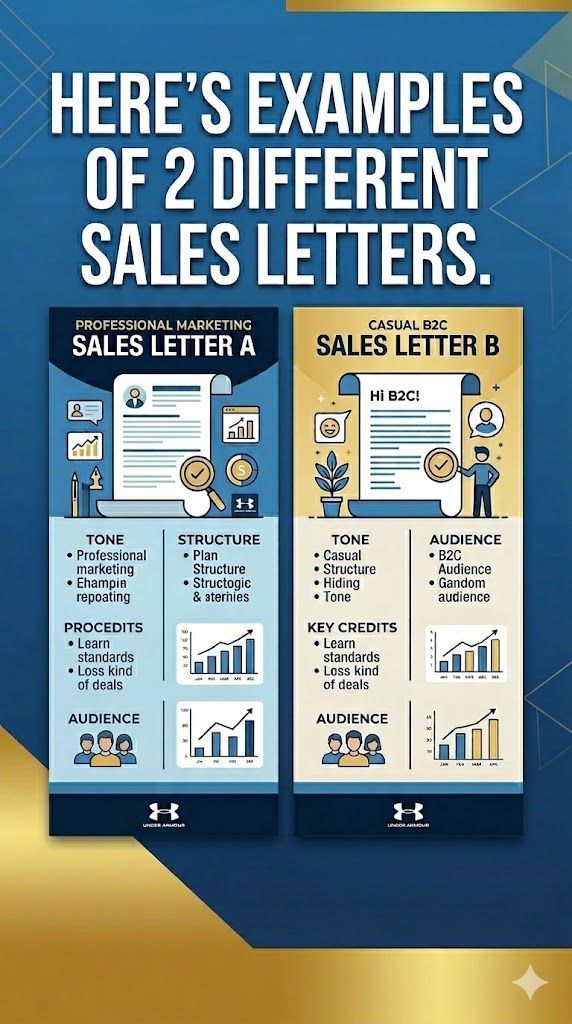
At its absolute core, the main purpose of a sales letter is to persuade the reader to take one specific next action. While it looks like a piece of informational writing, a sales letter is actually a conversion engine. It is not designed to simply educate, entertain, or tell a story—every sentence exists solely to move the reader closer to a decision. Here is the breakdown of what a sales letter must accomplish to achieve that purpose: 1. Drive a Single, Clear Action (The CTA) A sales letter should never confuse the reader with options. It wants them to do one thing: Book a 15-minute call Click a link to buy a product Download a specific asset (to enter a funnel) Reply directly to the email 2. Shift the Perspective from "Features" to "Outcomes" Most company communications focus on what they do. A sales letter focuses entirely on what the reader gets. It bridges the gap between a product's features and the reader's self-interest. The Copywriting Rule of Thumb: People don't buy a 1/4-inch drill bit; they buy a 1/4-inch hole in the wall so they can hang a photo of their kids. A sales letter sells the hole, not the drill. 3. Agitate a Pain and Offer the Antidote A great sales letter acts as a mirror. It reflects the reader's current frustrations, fears, or desires back at them so clearly that the reader thinks, "Wow, this person actually understands my problem. " Once the letter establishes that deep understanding, it positions your product or service as the logical, inevitable solution. 4. Overcome Friction and Objections Logically Before a reader takes action, a mental checklist of objections pops up: Is this too expensive? Will this take too much time? Is it going to fail like the last thing I tried? The structure of a sales letter systematically handles these objections one by one—using social proof, risk-reversal (like guarantees), and stark comparisons—before the reader even has a chance to voice them. In short: Information tells, but a sales letter sells. Its purpose is to turn an indifferent reader into an active participant. Sales Letter Sample # 1 Subject: The MQL is lying to you. (And it’s costing your pipeline). Dear [Mr Pineapple], Marketing is celebrating a record-breaking quarter of Marketing Qualified Leads (MQLs). The dashboards are glowing green. Meanwhile, your sales team is drowning in frustration, staring at a pipeline full of ghosted emails, "not interested" replies, and downloaded whitepapers from students or competitors. Marketing says Sales isn't following up. Sales says Marketing is sending garbage. Sound familiar? This is The MQL Illusion —and it’s the silent killer of B2B growth. The Real Cost of Faking Alignment When your marketing team is incentivized by lead volume and your sales team is incentivized by revenue, friction isn't just likely—it’s guaranteed. Wasted Sales Hours: Your highest-paid account executives are spending hours acting as telemarketers, filtering out unqualified noise. Burned Budget: You are funding campaigns that generate clicks, not clients. Stagnant Growth: While your teams argue over who is at fault, your actual pipeline suffers. An MQL isn't a lead. It’s a metric that rewards Marketing for handing off a baton before the runner is even looking. Smash the Friction. Unify Your Pipeline. At [Michael’s Atomic Consulting Services] , we don't believe in MQLs. We believe in SQLs (Sales Qualified Leads) and Revenue . We help B2B organizations eliminate the marketing-sales divide by replacing outdated lead-scoring with a unified Revenue Operations (RevOps) framework. Here is what changes when you fix the alignment friction: The Old Way (The MQL Illusion) The New Way (Revenue Alignment) Marketing chases ebooks downloads and webinar registrants. Marketing is measured on pipeline contribution and closed-won revenue. Sales receives cold "leads" who have no buying intent. Sales only steps in when high-intent buyers trigger explicit buying signals. Teams operate in silos, pointing fingers at end-of-quarter meetings. Both teams share a single dashboard, a single goal, and absolute accountability. Let’s Fix the Divide You don't need more leads. You need the right conversations. Let's take 15 minutes next week to audit your current lead-to-revenue process. I’ll show you exactly where your pipeline is leaking and how to get your marketing and sales teams running in perfect lockstep. Are you available for a brief call next [Wed] at [1:00 PM CST] ? To your growth, [Michael Ellis] [CEO & Founder] [Michael’s Atomic Consulting Services] [203-812-9082/ https://www.mikeyconsult.com/] P.S. Stop paying for marketing that stops at the handoff. Let's align your teams around what actually matters: net-new revenue. [Click here https://www.mikeyconsult.com/to book your 15-minute Pipeline Audit] . Sales Letter Sample # 2 Ever feel like you’re doing everything "right," but your body is still playing by a different set of rules? You know the routine. You sleep, but never feel rested. Your midday energy crashes without warning. The motivation you had on Sunday completely evaporates by Wednesday. If you’re frustrated, I need you to hear this: This is not a discipline problem. The health industry has spent years gaslighting you into thinking that if a diet fails, you failed. They told you to restrict your favorite foods, obsess over calorie trackers, and force yourself through exhausting workouts. But they forgot one massive detail: real life. And the moment life gets in the way and you inevitably slip up? You shoulder all the guilt. You tell yourself you just didn't try hard enough. But here is the truth: True, lasting vitality never comes from punishing extremes. It happens when your health naturally aligns with the rhythm of your actual life, your body, and your daily realities. Introducing [Change Your Life / Sizzle Pop] The un-diet framework for high-performance living. This is a simple, sustainable wellness system engineered specifically for real, busy lives. It’s built for the person who wants to reclaim: Unshakable Energy: Wake up ready, skip the 3 PM crash, and ditch the constant caffeine crutch. Effortless Digestion: Say goodbye to the daily bloat and the constant discomfort after meals. Razor-Sharp Clarity: Banish the brain fog so you can focus, execute, and stay present. True Body Confidence: Look in the mirror and finally feel at home in your own skin. Autopilot Habits: Build routines so natural they become second nature—no white-knuckling required. Introducing [Change Your Life / Sizzle Pop] The un-diet framework for high-performance living. This is a simple, sustainable wellness system engineered specifically for real, busy lives. It’s built for the person who wants to reclaim: Unshakable Energy: Wake up ready, skip the 3 PM crash, and ditch the constant caffeine crutch. Effortless Digestion: Say goodbye to the daily bloat and the constant discomfort after meals. Razor-Sharp Clarity: Banish the brain fog so you can focus, execute, and stay present. True Body Confidence: Look in the mirror and finally feel at home in your own skin. Autopilot Habits: Build routines so natural they become second nature—no white-knuckling required. Zero restriction. Zero burnout. Zero food obsession. What Makes This Different? Most programs hand you a rigid checklist and pray you don't break. We do the opposite. [Program Name] shifts the paradigm by focusing on: Working With Your Biology: We stop fighting your body and start supporting its natural rhythms. The Compound Effect: Small, strategic micro-habits that deliver massive, compounding returns over time. Real-World Resilience: Routines designed to survive your busiest, most chaotic days—not just your perfect ones. The Nervous System Connection: We address the hidden link between chronic stress, cortisol, and your physical health. This isn’t a quest for an impossible ideal. It’s about tangible, daily progress you can actually feel. What You’ll Experience The Timeline of Transformation Within just weeks of launching your system, the shifts become unmistakable: Sustained, Day-Long Vitality: No more counting down the minutes to a mid-afternoon crash. A Quiet, Comfortable Gut: Freedom from the constant, heavy distraction of bloating. Deep, Restorative Sleep: Waking up naturally refreshed before your alarm even sounds. Neutralized Cravings: The quiet confidence that comes when food no longer controls you. Complete Autonomy: A profound, renewed sense of ownership over your own health. None of this happens because you suddenly "tried harder" or discovered a magical reserve of willpower. It happens because you finally installed a system engineered for real life. Is This the Right Fit For You? This architecture is designed specifically for you if: You are completely done with the exhausting cycle of "starting over every Monday." You want optimized health and high performance without making it a stressful second job. You value sustainable, compounding wellness over superficial, fleeting quick-fixes. You are ready to stop fighting your biology and finally feel at home in your body again. Please note: This is strictly not for anyone seeking overnight illusions, crash diets, or effortless miracle cures. What’s Inside the System When you secure your spot today, you gain immediate access to the complete blueprint: The Step-by-Step Wellness Architecture: Your predictable blueprint to eliminate the guesswork. Precision Nutrition Without Extremes: A flexible, psychology-driven approach to fueling your body without restriction. Modular Lifestyle Routines: High-ROI daily habits designed to be fully customized to your schedule—no matter how chaotic life gets. Your Health Is an Investment—Not an Expense Right now, you are standing at a crossroads with two distinct paths forward. You can keep doing exactly what you’ve been doing. You can keep white-knuckling your way through rigid routines, riding the exhausting wave of burnout, and hoping that this time something finally clicks. Or, you can choose a smarter, simpler, and more strategic path forward. [ Secure Your Spot: Start Your Wellness Reset Today ] Your best days, your highest energy, and your absolute best health are not behind you. They are waiting for you to take the first step. Your best days, your highest energy, and your absolute best health are not behind you. They are waiting for you to take the first step. Do You Need A High-End Converting Sales Letter? YES Call Me At 203-812-9082 (EST) #SalesTips #Copywriting #SalesLetters #MarketingStrategy #LeadGeneration