
How To Answer The What Is Your Greatest Strength Interview Question
In my many years of studying Human Behavior one of the most common interview questions that many candidates stumble over is:
What is your greatest strength?
First let’s understand one thing: All Interview Questions are based on IO (Industrial Organizational) Psychology.
Keeping that in mind.
Before you even try to answer this one question or any interview question for
that matter.
Take a moment to pause and ask yourself why are they asking me this?
What do they really want to know?
In the neighborhood where I grew up was Brookside Ave located in New Haven CT.
Whenever someone became too nosey, the person being asked the question would say these words.
Why are you so nosey?
What do you want to know XXXX for?
Lol.
At times these occurrences became very comical.
If you’re a sports fan, think about your favorite basketball player, for the sake of argument.
Take a mental note of why this player is so valuable to the team.
How does he help the team win their games?
In other words what unique skills does he bring to the table.
What major problems does he solve?
Aha!
Now you’re getting it.
Right?
Yes.
Right.
The company you're interviewing for operates the same way.
Here is the company’s Big Why.
"Do your skills align with our biggest problems, and are you self-aware?"
Now in order to respond properly to this question.
Don’t start rattling off things like:
Being Creating or Hardworking.
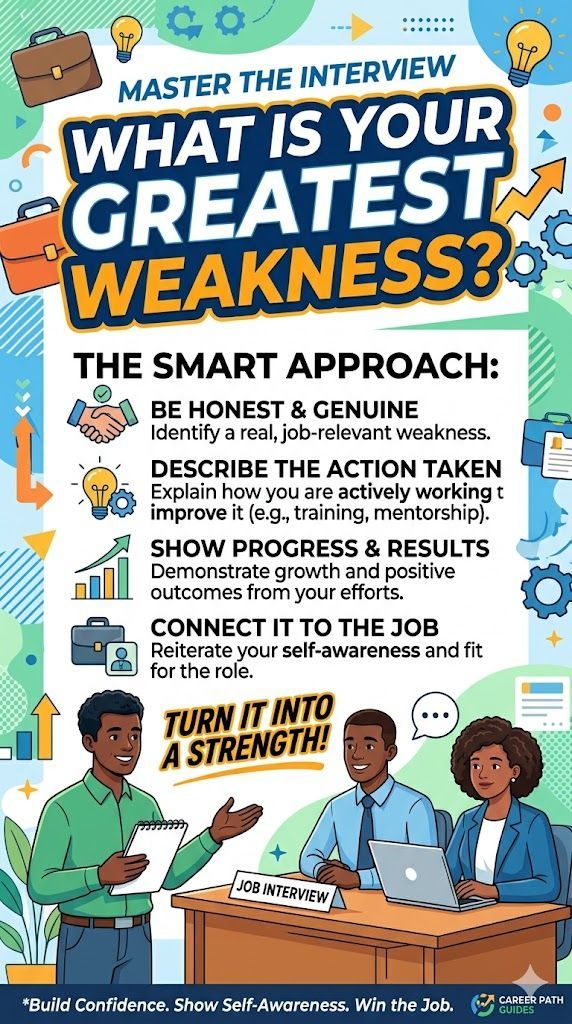
Choose one specific capability that is explicitly mentioned or highly valued in the job description.
Share a brief example of a time this strength allowed you to drive a measurable business result or solve a critical team bottleneck.
For example
While employed at Apple as a Direct Response Copywriter I helped lead conversion to increase by 19 % as a result they generated $ 13 million during Q-4 and landed 9 major contracts with well-known SaaS agencies.
This is a heavyweight power statement.
If you drop this in an interview, it tells the interviewer that you aren't just someone who "writes words"—you are a strategic revenue generator.
Here is the exact subtext an experienced interviewer hears when you say this, broken down by what it signals about your value:
1. You Focus on Commercial Out-Comes, Not Outputs
Most copywriters tell interviewers how many emails they wrote or how much they "liked the creative direction.
" You led with 19% conversion growth and $13 million in Q4 revenue.
This tells them you speak the language of the C-suite and connect your creative work directly to the company's bottom line.
2. You Can Handle Enterprise-Scale Pressure
Working at a company like Apple means navigating high stakes, strict brand guidelines, and massive audiences.
Mentioning Apple immediately signals that your work has been vetted at the highest tier of the industry and that you know how to perform in a fast-paced environment.
3. Your Work Validates High-Ticket Trust
Landing 9 major contracts with well-known SaaS agencies proves that your copy didn't just get cheap clicks—it built enough trust to close complex, high-ticket business-to-business (B2B) deals.
It shows you understand customer psychology at both the consumer and enterprise levels.
4. You Are a Collaborative Leader
By saying you "helped lead" the conversion increase, you strike the perfect balance between taking ownership of your results and showing that you are a collaborative team player who can guide cross-functional projects (like working with design, data, and product teams).
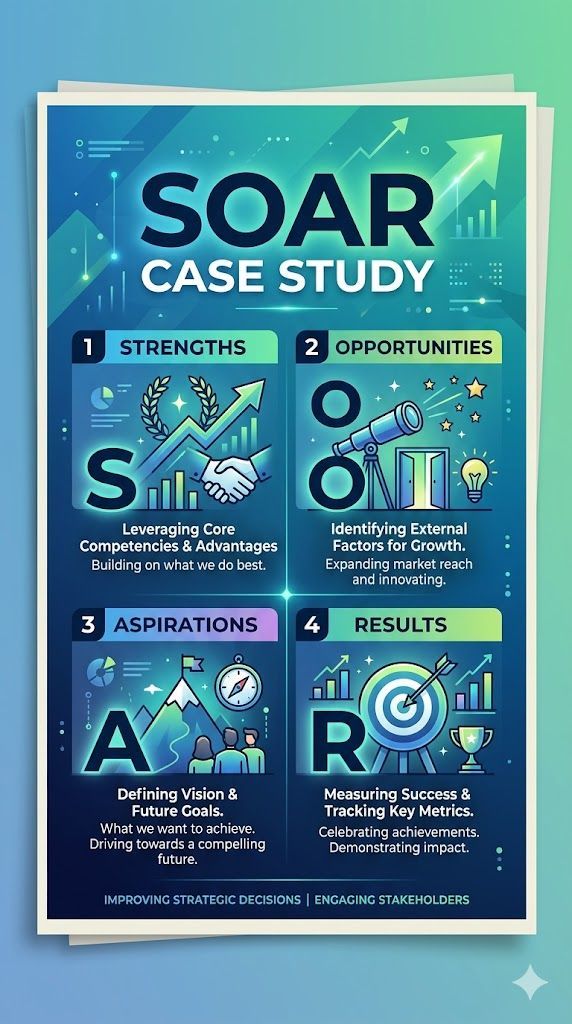
The Verdict: This statement perfectly uses the CAR/SOAR framework (Context, Action, Result) (Situation, Obstacles, Actions, Results).
It proves you don't just cost a business money as an overhead expense; you represent a massive return on investment (ROI).
New Paragraph