By Michael Ellis
•
June 13, 2026
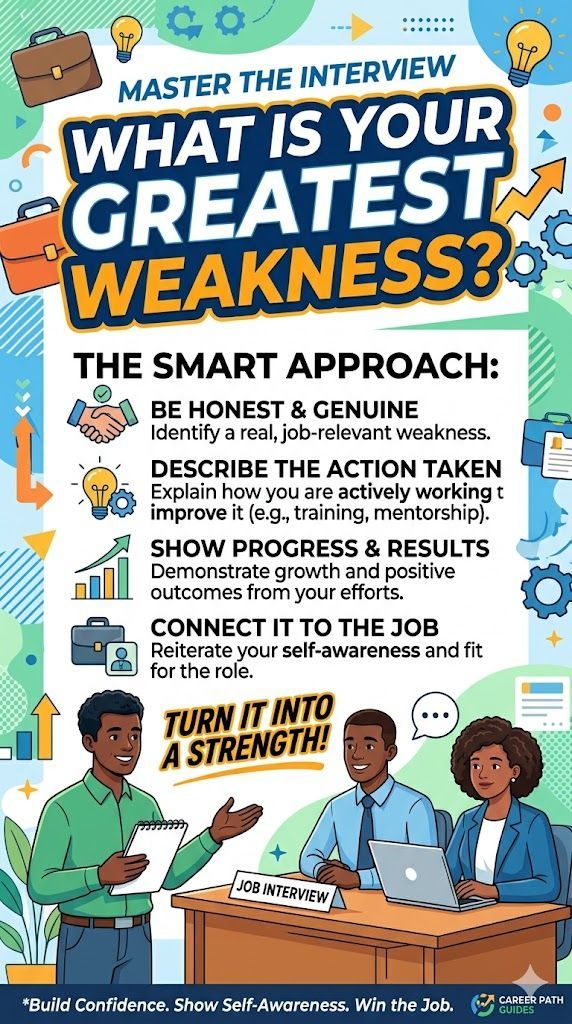
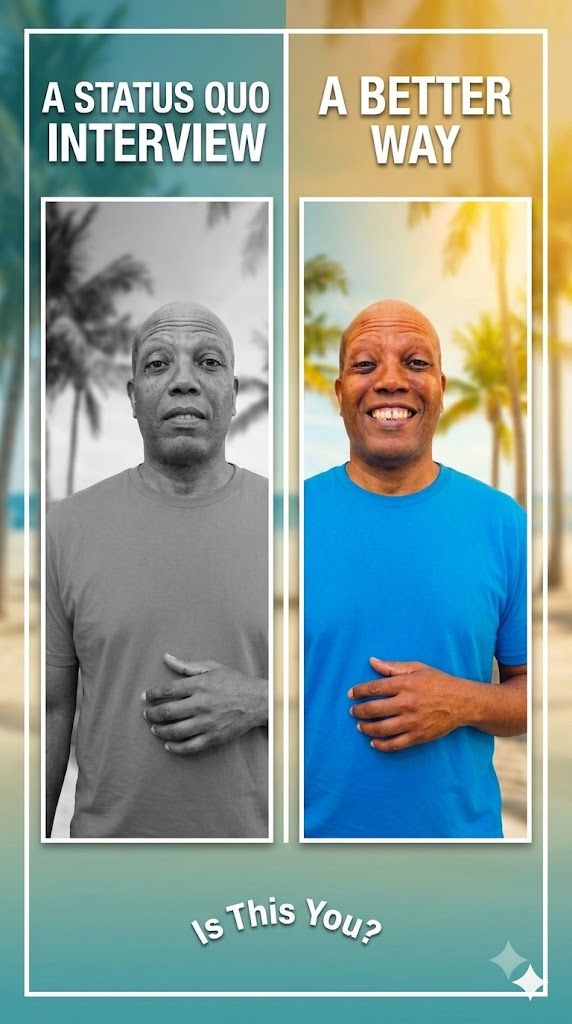
Mr. Pineapple Meets Mrs. Blueberry (The Interviewer) Imagine you’ve bought a new sharp outfit in preparation for your next interview. Insightful Takeaway # 1 Men don’t wear cologne to an interview. Men don’t wear cologne to an interview. Why? Because someone in that office may be allergic to the smell or consider it distasteful. You arrive 15 minutes early, check in with the executive secretary and wait to be called. Insightful Takeaway # 2 Your interview starts as soon as you arrive at the company property. Insightful Takeaway # 3 The way you treat the secretary and anyone else on that property is noted as part of your interview. Insightful Takeaway # 4 Always act in a respectful and professional manner. Insightful Takeaway # 5 You take a seat and wait to be called. Now when you hear your name called, you’re all excited. Here We Go. The Introduction You sit down, shake the interviewers and look them in the eye with a smile. The conversation goes something like this. Hello Mr. Pineapple I’m Mrs. Blueberry and I’ll be your interviewer for today. Mrs. Blueberry So tell me a little bit about yourself Mr. Pineapple? Mr. Pineapple's Response Well I grew up in the suburbs of New Jersey and I got laid off from my previous job. And then I decided to move here to New York to look for better work opportunities. Ding, Ding, Ding. At this point Mr. Pineapple has already failed the interview. And here’s why. The "Layoff" Trap: Mentioning a layoff right out of the gate can accidentally shift the energy of the interview. While common and nothing to be ashamed of, leading with it can make the move feel reactive rather than proactive. Missing the Professional Hook: It doesn't tell the interviewer anything about your skills, your expertise, or what you actually do. Too Broad: "Looking for better work opportunities" is a bit passive. Employers want to hear why you want their specific opportunity in New York. How to Improve It The goal is to frame your move as a strategic, exciting next step in your career. You want to highlight your professional background first, frame the transition positively, and tie it directly to your ambition. Try a structure like this instead: "I’ve spent the last few years building my background in [Your Field/Industry] over in New Jersey, where I really specialized in [1 or 2 key skills or achievements]. Recently, I decided to intentionally transition my career to the New York market because of the incredible energy and the concentration of forward-thinking companies here. I’m really looking to bring my experience in [Skill] to a role where I can immediately make an impact, which is exactly what drew me to your team. Why the Improvement Works It leads with value: The interviewer immediately knows your strengths. It controls the narrative: The move to New York sounds like a deliberate, confident career power-move. It flattery-hooks the company: It ends by validating them as the specific place you want to be. While candidates often view interviews as a test of their past or a checklist of qualifications, an executive or hiring manager looks at it through a lens of resource allocation and risk management. When you get down to the absolute bottom line, the executive goal of the interview is to get definitive, affirmative answers to three core questions: 1. Can you move the needle? (Capability) An executive has a gap in their organization—whether that's missed revenue, inefficient operations, or a lack of leadership. They want to know if you possess the exact toolkit, strategy, and track record to bridge that gap. The goal: Prove that your past performance is a reliable predictor of your future success in their environment. 2. Will you accelerate us or slow us down? (Execution & Fit) Every bad hire costs an organization time, money, and momentum. Executives want to ensure you don't require hand-holding, won't disrupt the existing team dynamics, and can seamlessly integrate into the corporate culture. The goal: Mitigate risk. You want to present yourself as a low-risk, high-return asset who understands how to navigate organizational structure. 3. Do you actually want this job? (Motivation) Talent is useless if it walks out the door in six months. An executive needs to know that you are genuinely aligned with the company’s vision, goals, and market positioning—not just looking for any open port in a storm. The goal: Demonstrate strategic alignment, showing that this role is a logical, exciting next step for your career trajectory. The Executive Shift: To win at this level, your language needs to shift from outputs ("I managed a team of five and wrote copy") to outcomes ("I optimized our messaging architecture to drive a 20% lift in pipeline conversion"). If you find yourself sounding like Mr. Pineapple in the first part of this interview, then we need to talk. Call Me At 203-812-9082 (EST)