

Strategic Advantage: Turning SWOT Insights into High-Performance Residential Marketing
This is a subtitle for your new post

January 14, 2026: Blog/ Maximize your residential marketing impact in 2026 by leveraging SWOT analysis insight.
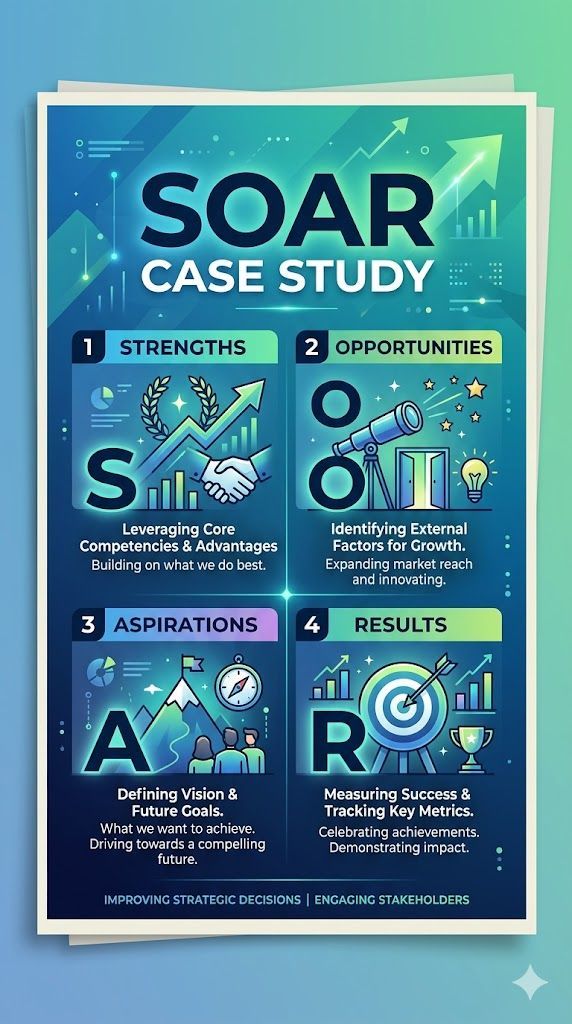
Using the findings from a SWOT analysis allows a residential marketing team to create targeted strategies that maximize internal strengths and mitigate external risks.
In 2026, these strategies focus heavily on integrating AI, hyper-local authority, and rapid responsiveness.
1. S-O Strategies (Strengths + Opportunities)
Use internal strengths to capitalize on external opportunities.
Hyper-Local Content Authority: If you have niche expertise (Strength), create a 2026-focused content plan using short-form video on TikTok and Instagram (Opportunity). Move beyond generic updates to "street-level intelligence," such as monthly sales reports for specific neighborhoods or schools.
Eco-Luxury Positioning: Leverage a marketing budget (Strength) to target the growing demand for sustainable, smart homes (Opportunity). Use professional virtual tours to highlight energy-efficient features, which can increase social media shares by up to 1,200%.
Referral Systems: Use existing brand recognition (Strength) to build a structured referral program. In 2026, agents are prioritizing stable, high-ROI relationships (Sphere of Influence) over expensive general lead generation.
2. W-O Strategies (Weaknesses + Opportunities)
Improve internal weaknesses by using external opportunities.
AI-Powered Efficiency: If the team lacks digital marketing skills (Weakness), implement AI tools (Opportunity) to handle repetitive tasks like drafting listing descriptions, generating social media hooks, and scoring leads.
Virtual Staging Overhaul: If you have low property engagement due to unappealing listings (Weakness), use virtual staging technology (Opportunity).
Virtually staged homes in 2026 sell 75% faster and are approximately 97% cheaper than traditional staging.
Google Business Optimization: If your website visibility is low (Weakness), prioritize your Google Business Profile (Opportunity).
In 2026, Google often ranks optimized business profiles above organic website results for "real estate agent near me" searches.
3. S-T Strategies (Strengths + Threats)
Use strengths to mitigate external threats.
Competitive Responsiveness: If you have tech integration/CRM tools (Strength), set a "speed-to-lead" standard of under 15 minutes to counter increased competition (Threat).
Responsiveness is now a top factor for 67% of customers choosing a firm.
Data Transparency for Trust: Use your tech-driven data culture (Strength) to combat market uncertainty/interest rate fluctuations (Threat).
Share actual numbers—like list-to-sale ratios and days on market—to position your brand as an educator rather than a gatekeeper.
4. W-T Strategies (Weaknesses + Threats)
Minimize weaknesses to avoid external threats.
Lead Handoff Tightening: If you have inconsistent follow-up (Weakness) and face declining sales (Threat), automate your lead routing. Operational gaps are where 2026 teams lose most leads they have already paid for.
Personal Brand Insulation: If you are overly dependent on a brokerage brand (Weakness) and face industry regulation changes (Threat), pivot to building a personal brand.
A personal brand survives brokerage changes and builds portable trust that survives market shifts.
Need Help With Your SWOT Analysis?
Fill Out The Contact Form